
Jo Camps,
Operations Manager, Civil Case Management
“It felt almost magical watching people let go of their usual ‘front’ and open up about what matters to them and what motivates them”
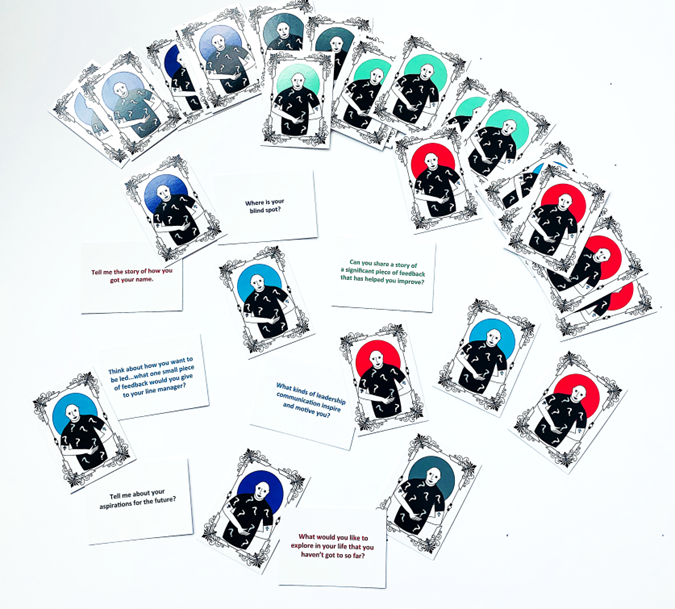
In busy workplaces, it’s easy for relationships to remain at surface level. We work alongside one another every day yet rarely create the time or space to truly understand what drives the people around us. Wanting to change this within my team, I introduced the use of powerful question cards and the impact was far greater than I anticipated.
I used the cards in several different ways. With established team members, I ran small-group sessions simply to help us get to know each other better beyond our roles. I also introduced them during induction sessions for new colleagues, giving them an opportunity to connect meaningfully with others from the start. Later, I brought new and existing staff together, using the cards to support integration and help relationships form naturally across the whole team.
My intention was simple: to understand one another’s values and motivations more deeply. Day-to-day conversations tend to focus on tasks, deadlines, or immediate pressures. I wanted to create space to go beneath the surface, to learn things about each other that might never otherwise be shared.
What happened during those sessions genuinely surprised me.
There was something almost magical about watching people gradually let go of their professional “front.” As the conversations unfolded, colleagues began sharing personal experiences, beliefs, and reflections about what matters most to them. Some discussions became deeply meaningful very quickly, far sooner than any of us expected but always in a positive and respectful way.
Each session felt different, yet all revealed parts of people’s personalities that often remain hidden at work. I found myself learning things about colleagues I had worked alongside for years, as well as gaining real insight into newer members of the team.
The response from everyone involved was overwhelmingly positive. People opened up in ways you would not normally expect among colleagues, particularly those who had only recently met. What stood out most was how carefully people listened to one another; there were no interruptions, just genuine curiosity and respect.
Team members reflected afterwards that the openness of the conversations created a strong sense of trust. One person shared that it was refreshing to talk about something other than work and to understand colleagues on a more personal level. Another commented that hearing about others’ experiences gave them a deeper sense of empathy and respect.
For me, the impact as a manager was significant. The insights I gained into what motivates individuals, what challenges they have faced, and what matters to them personally have helped me better support them in their roles. It has allowed me to think more intentionally about how I create an environment where people can truly thrive.
Importantly, I also chose to share my own experiences and vulnerabilities during these sessions. That felt essential to me. Authentic leadership matters, and I believe the team gained a deeper understanding of who I am as a person, not just as their manager.
One of the most noticeable outcomes was how quickly new team members began to feel part of the wider group. Existing colleagues were open and welcoming, and connections formed far sooner than I would normally expect. I am convinced that sharing personal stories accelerated the sense of belonging across the team.
This experience reinforced something powerful for me: meaningful connection doesn’t happen by accident; it happens when we intentionally create space for it. The question cards were simply a tool, but they opened the door to honesty, understanding, and mutual respect.
By giving people permission to share who they are, not just what they do, we strengthened relationships in a way that continues to influence how we work together every day.